



Sika Deer Skull Specimen
Sika deer (scientific name: Cervus nippon) belongs to the genus Cervidae, with a body length of 140-170cm, a shoulder height of 85-100cm, a tail length of 12-13cm, and a weight of 100-150kg. Males have horns, while females have no horns. The horns of stags are usually divided into 3-4 forks. The sika deer has large, erect ears, slender limbs, a well-proportioned trunk, and a short tail. The fur is red, with multiple rows of irregular white spots along the sides of the spine, the lower jaw is white, the nasal surface and cheeks are sandy yellow, the back of the tail is dark brown, the lower part of the tail and the groin are white, and the abdominal hair is pale brown.

Ezo Deer Skull Specimen
Ezo deer or known as Hokkaido sika deer, is a subspecies of sika deer, mainly found in the Hokkaido region of Japan. Bucks are large in size, weighing more than 200kg in autumn. The length of their horns is usually more than 35 inches (about 0.89 meters), and the longest record is 44 inches (about 1.12 meters). Hokkaido sika deer are social animals, usually in small groups.

Sika deer
The spotted deer is a mammal of the deer family in the order Artiodactyla, also known as the spotted deer. Named after the white spots resembling plum blossoms in summer. The lifespan is generally about 20 years. Sika deer are distributed along the Pacific coast of Japan and Russia. In China, it is mainly distributed in mountainous areas such as Northeast China, Xiaoxing'an Mountains, Changbai Mountain, and East and South China. Group living, preferring to inhabit mountain forests or forest surroundings, often active in the early morning and dusk to forage, and resting in forests or more secluded places during the day. Due to human indiscriminate killing, the number has sharply decreased. Belonging to the first-class protected animals in China, overfishing is prohibited..

Popular Models
Honey Badger (3D animated model)
200 View
Guinea fowl (3D animated model)
169 View
Wild Goose (3D animated model)
191 View
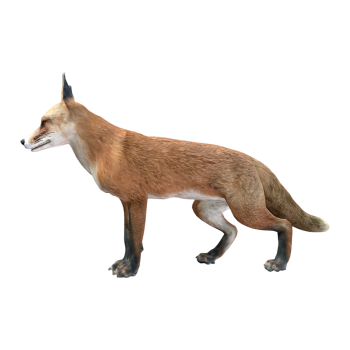
Red Fox (3D animated model)
159 View
Random Model


Pearl Nymphs 3D model animation
693 View

large salamander specimen
720 View


Leather Long Coral Riding Boots
653 View

Portable radio intercom
756 View

Ganoderma lucidum
761 View


Iron bedroom door handle
742 View